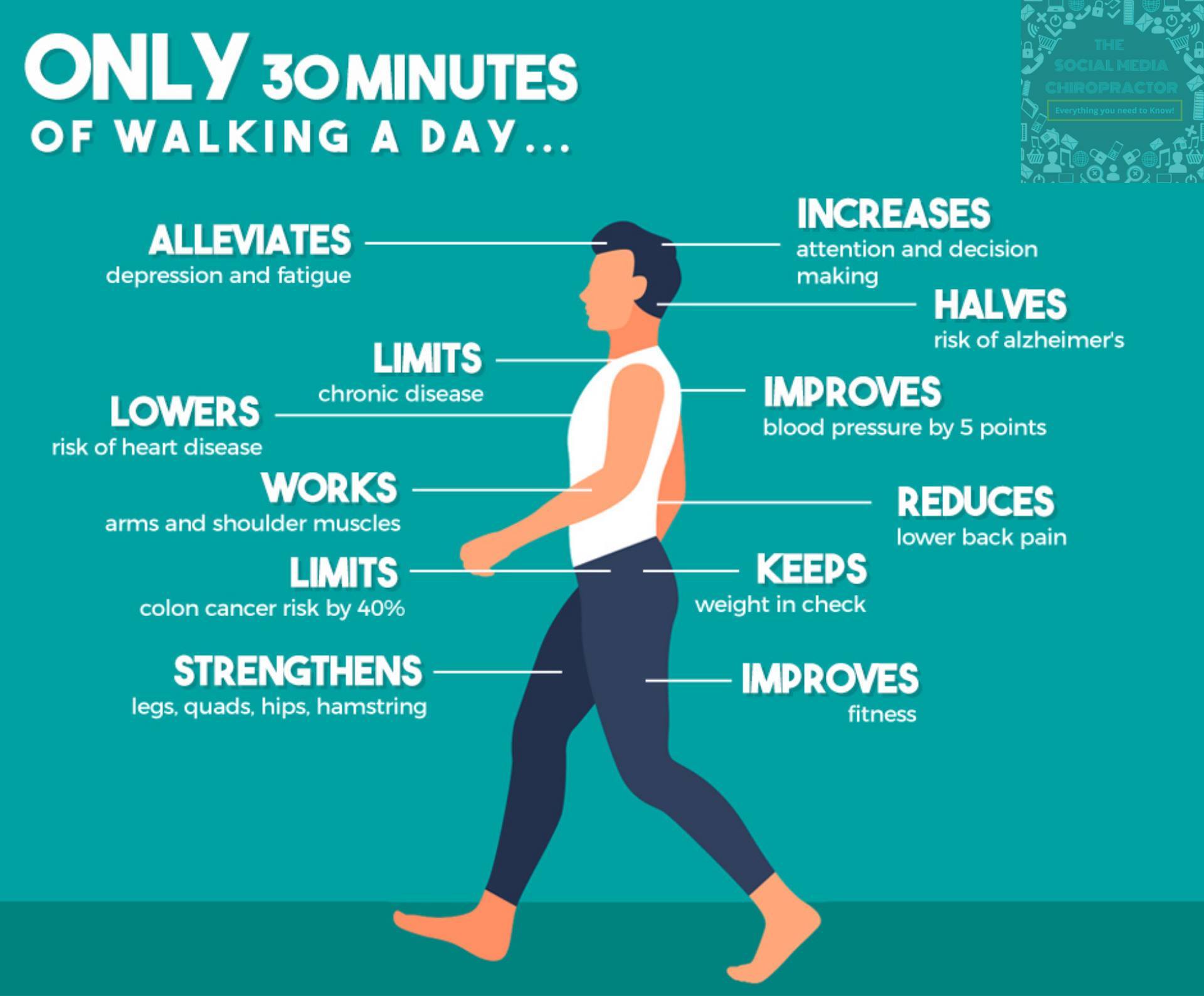
A Small Daily Habit That Can Change Your Life
Many people believe they need expensive gym memberships, complicated workout plans, or long hours of exercise to stay healthy. They see professional athletes, fitness influencers, and intense training programs online and assume that good health is difficult to achieve. As a result, some people feel discouraged before they even begin.
The truth is often much simpler.
One of the easiest and most effective forms of exercise is something most people already know how to do. Walking is natural, requires no special skills, and can be done almost anywhere. A quiet neighborhood, a local park, a beach, a shopping mall, or even a large office building can become a place for a healthy walk.
Imagine two friends with busy lives. One spends the entire day sitting at a desk, driving everywhere, and relaxing on the sofa after work. The other decides to spend just 30 minutes walking every day. At first, the difference between them may seem small. After a week, there may not be any noticeable changes. But after several months, their daily habits begin to shape their health in very different ways.
The person who walks regularly often starts feeling more energetic. Climbing stairs becomes easier. Sleeping improves. Everyday activities require less effort, and simple movements feel more comfortable. These changes happen gradually, making them easy to overlook, but together they can have a powerful impact on overall well-being.
Walking is suitable for people of almost every age. Children can enjoy it while exploring their surroundings. Adults can use it to stay active despite busy schedules. Older adults often find it to be one of the safest ways to maintain mobility and independence.
Another reason walking is so popular is that it does not demand perfection. Some days you may walk in the morning, while other days you may choose the evening. You can walk alone to enjoy quiet time or invite friends and family to make it a social activity. Every step contributes to a healthier lifestyle.
Many healthy habits fail because they feel too difficult to continue. Walking is different. It fits naturally into everyday life, making it one of the easiest habits to maintain for years.
Strengthening the Body One Step at a Time
Although walking appears simple, it provides many important benefits for the body. Every step encourages different muscles to work together, improves circulation, and supports the body’s natural functions.
One of the biggest advantages is better heart health. Walking encourages the heart to pump blood more efficiently, helping oxygen and nutrients reach every part of the body. Over time, regular walking can support healthy blood circulation and contribute to better cardiovascular fitness.
Walking also helps maintain a healthy body weight. While it may not burn as many calories as intense exercise, consistent daily walks add up over weeks and months. Combined with balanced eating habits, walking can support long-term weight management without placing excessive stress on the body.
The muscles in the legs, hips, and lower back become stronger with regular walking. At the same time, joints stay active, helping maintain flexibility and comfortable movement. For many people who spend long hours sitting, walking provides a gentle way to reduce stiffness and improve posture.
Bones benefit as well. Since walking is a weight-bearing activity, it encourages the body to maintain bone strength. This becomes especially important as people grow older and naturally lose bone density over time.
Many people also notice improvements in balance and coordination. Walking regularly helps the body move more smoothly, reducing the risk of falls, particularly among older adults. Stronger muscles and better balance also make everyday activities easier, from carrying groceries to climbing stairs.
Breathing often becomes more efficient too. During a brisk walk, the lungs work harder to deliver oxygen throughout the body. As fitness improves, people may notice that they become less tired during daily activities that once felt challenging.
Walking outdoors provides additional benefits. Fresh air, sunlight, and natural surroundings can make exercise feel more enjoyable. Exposure to sunlight also helps the body produce vitamin D, which plays an important role in supporting bone health and other body functions.
Unlike some forms of exercise that require recovery days, walking is gentle enough for many people to enjoy almost every day. This consistency is one of its greatest strengths because long-term habits usually produce better results than occasional intense workouts.
Supporting Mental Health and Emotional Well-Being
The benefits of walking are not limited to physical health. Many people are surprised to discover how much better they feel mentally after a simple walk.
Imagine someone having a stressful day at work. Deadlines are approaching, emails continue arriving, and problems seem to appear one after another. Instead of remaining at the desk during lunch, they decide to take a 30-minute walk outside. By the time they return, their thoughts feel clearer, their mood has improved, and the challenges no longer seem quite as overwhelming.
This experience is common because walking helps the brain as well as the body.
Physical activity encourages the release of natural chemicals that support positive emotions and reduce feelings of stress. Many people find that regular walking helps them feel calmer, happier, and more relaxed. While it is not a cure for mental health conditions, it can become an important part of a healthy lifestyle that supports emotional well-being.
Walking also creates an opportunity to step away from constant digital distractions. Many people spend hours each day looking at computer screens, smartphones, and televisions. A walk outdoors provides a welcome break from notifications, meetings, and endless streams of information.
Some people enjoy listening to music or educational podcasts while walking. Others prefer silence, allowing themselves time to think without interruptions. Both approaches can help clear the mind and improve focus.
Creativity often improves during walks as well. Writers, artists, business owners, and students sometimes discover new ideas while moving rather than sitting still. The gentle rhythm of walking allows the mind to relax, making it easier to solve problems or think creatively.
Walking with friends or family offers additional emotional benefits. Conversations often feel more relaxed while walking side by side than when sitting indoors. Regular walks can strengthen relationships while also improving physical health.
Better sleep is another common reward. People who stay physically active during the day often find it easier to fall asleep and wake up feeling refreshed. Quality sleep supports memory, concentration, mood, and overall health, creating a positive cycle that benefits many areas of life.
Even on difficult days, a short walk can provide a sense of accomplishment. Completing one healthy activity often encourages people to make other positive choices, such as drinking more water, eating nutritious meals, or spending less time sitting.
Making Walking a Lasting Part of Everyday Life
Starting a walking habit is simple, but maintaining it requires consistency rather than perfection. Many people begin with great enthusiasm only to stop after a few weeks because life becomes busy or the weather changes.
The secret is to make walking fit naturally into everyday routines.
Some people enjoy walking early in the morning before the day becomes busy. Others prefer an evening walk to relax after work. Parents may walk while their children play in the park, and office workers might spend part of their lunch break walking around the neighborhood. There is no single correct time. The best schedule is the one that can be maintained comfortably over the long term.
Comfortable shoes and suitable clothing make walking more enjoyable, but expensive equipment is not necessary. The goal is simply to move regularly and safely.
Technology can also provide motivation. Fitness watches and smartphone apps allow people to track their steps, distance, and progress over time. Watching improvements build gradually often encourages people to continue. However, numbers should not become the only goal. The greatest reward is feeling healthier and more energetic in everyday life.
Walking with a partner or joining a local walking group can help maintain motivation. Having someone to share the journey with often makes the activity more enjoyable and creates accountability on days when enthusiasm is low.
It is also important to listen to the body. Walking should feel comfortable rather than painful. People with existing health conditions or injuries may benefit from discussing new exercise routines with a healthcare professional before beginning.
As communities continue building safer parks, walking paths, and pedestrian-friendly neighborhoods, walking is becoming even more accessible. Many workplaces are also encouraging employees to take short walking breaks because they recognize the positive effects on both health and productivity.
The beauty of walking lies in its simplicity. It does not require advanced fitness knowledge, expensive equipment, or special facilities. It simply requires a willingness to take one step after another.
Thirty minutes may seem like a small part of the day, but over weeks, months, and years, those daily walks can add up to meaningful improvements in physical health, mental well-being, energy, and quality of life. In a world that often encourages people to move faster and do more, taking time for a simple daily walk may be one of the healthiest decisions anyone can make. Every step is an investment in a stronger body, a clearer mind, and a healthier future.