A Quiet Change That Started With Simple Tasks
Not many years ago, the idea of talking to a computer felt like something from a science fiction movie. People typed commands into search engines, clicked through many websites, and spent time looking for answers. If someone wanted to set a reminder, they opened a calendar. If they wanted directions, they searched on a map. If they wanted to translate a sentence, they visited another website. Every task required a different tool, and people accepted this as a normal part of using technology.
Then things slowly began to change.
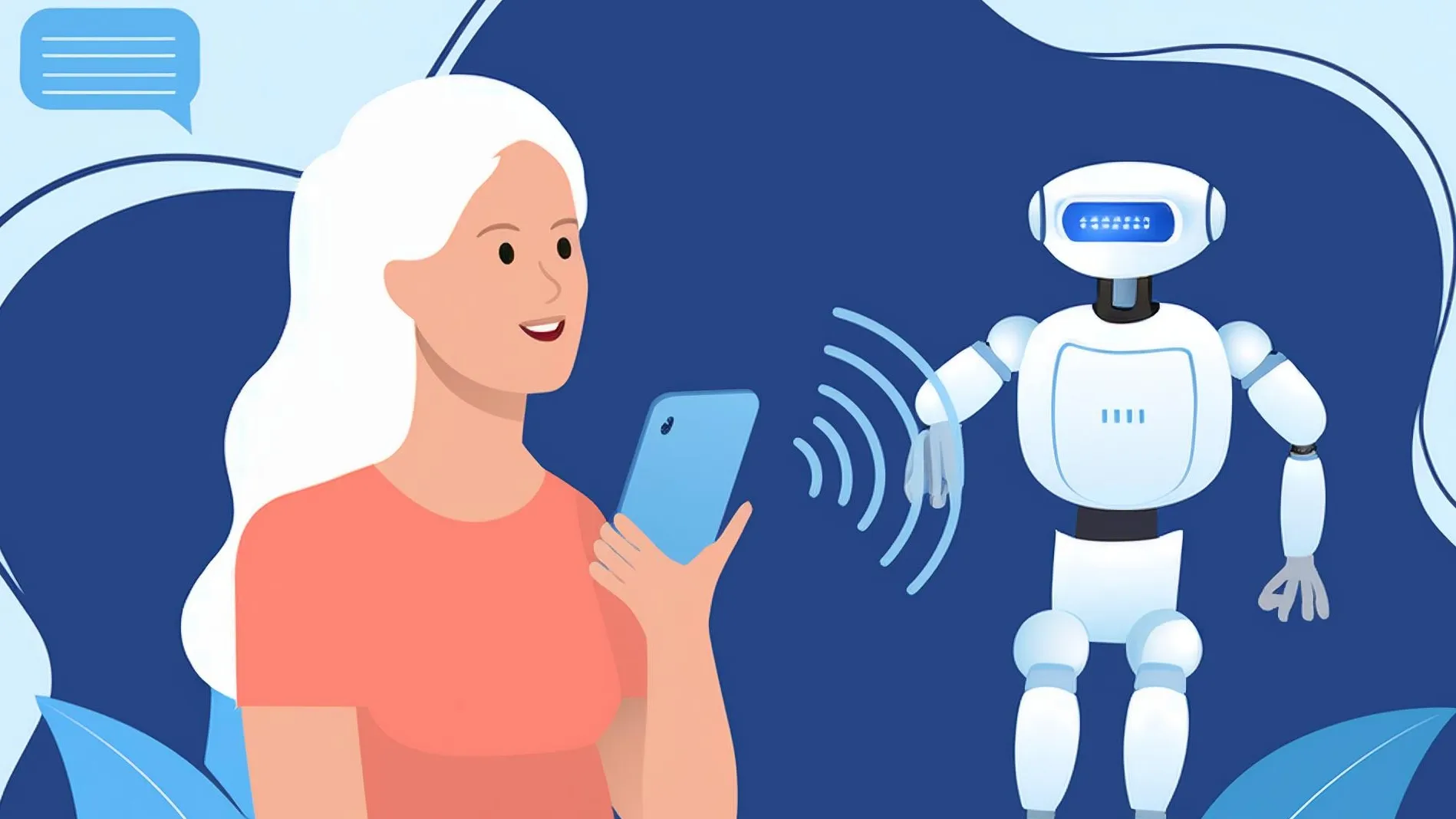
Voice assistants appeared on smartphones and smart speakers, allowing people to ask simple questions without touching a keyboard. At first, these assistants could perform only basic tasks. They could set alarms, play music, check the weather, or answer simple facts. While useful, they often misunderstood questions or failed to understand natural conversations.
Behind the scenes, researchers continued improving artificial intelligence. Computers became better at understanding human language, learning from enormous amounts of information, and recognizing patterns. Instead of waiting for exact commands, AI assistants gradually learned to understand the meaning behind a person’s words.
Today, the experience is very different. Someone can ask an AI assistant to explain a difficult topic, write an email, summarize a long report, create a travel plan, suggest recipes, or even help solve technical problems. Rather than acting like a simple tool, modern AI assistants behave more like helpful digital partners.
This shift has happened so quietly that many people hardly notice how much their daily routines have changed. A student preparing for exams, a parent planning family meals, a business owner answering customer questions, and a traveler organizing a vacation may all use AI in different ways without thinking much about the technology itself.
The biggest reason for this rapid growth is convenience. People value anything that saves time and reduces effort. Instead of searching through dozens of web pages, they can ask one question and receive a clear explanation in seconds. Instead of staring at a blank document, they can receive ideas that help them begin writing. AI does not replace human thinking, but it often removes the hardest part of getting started.
As technology continues improving, AI assistants are becoming less like machines that follow commands and more like companions that help people complete everyday tasks more naturally.
Becoming Part of Home, School, and Work
Imagine waking up on a busy weekday morning. Before getting out of bed, someone checks the day’s schedule, asks about the weather, and receives a reminder about an afternoon meeting. While preparing breakfast, they ask for a quick recipe using ingredients already in the kitchen. During the drive to work, the assistant suggests a faster route because of traffic ahead.
None of these moments feels unusual anymore.
AI assistants have quietly entered many parts of everyday life because they fit naturally into existing routines. At home, they help families manage shopping lists, control smart lights, answer children’s questions, and recommend movies for the evening. They reduce the number of small tasks that people must remember throughout the day.
In schools and universities, students use AI to understand difficult subjects, practice new languages, organize study notes, and review important concepts before exams. Instead of replacing teachers, AI often acts as an extra learning partner that is available whenever students need help. A learner who feels shy about asking questions in class can comfortably ask an AI assistant for another explanation until the topic becomes clear.
Teachers are also discovering practical uses. They can prepare lesson ideas, create quizzes, simplify complex reading materials, and save valuable preparation time. This allows them to spend more energy focusing on students rather than repetitive administrative work.
Workplaces have experienced some of the biggest changes. Office workers use AI to draft emails, summarize meetings, prepare presentations, analyze documents, and organize daily schedules. Customer service teams receive assistance when answering common questions. Software developers use AI to review code and suggest improvements. Marketing professionals generate campaign ideas more quickly. Designers explore creative concepts before beginning their projects.
Small business owners often benefit the most because they usually have limited staff. One person may need to handle marketing, customer support, accounting, and social media at the same time. AI assistants help reduce this workload by handling routine tasks that would otherwise consume many hours.
Even older adults are beginning to appreciate AI. Simple voice conversations make technology easier to use for people who may not feel comfortable with complicated menus or applications. They can ask for medication reminders, health information, recipes, or directions using everyday language.
The growing popularity of AI assistants is not only about advanced technology. It is about making daily life a little easier, one small task at a time.
Helping People Create, Learn, and Solve Problems
One of the most exciting changes brought by AI assistants is their ability to support creativity and problem-solving. Many people once believed artificial intelligence would mainly perform repetitive work, but modern systems have shown they can also help people think in new ways.
A writer facing an empty page can ask for ideas to begin an article. A student can request a simpler explanation of a scientific concept. A traveler planning an international vacation can receive a detailed itinerary based on personal interests. A home cook can describe the ingredients available and receive several meal suggestions within seconds.
These examples show that AI works best when people and technology cooperate.
Creative professionals often use AI as a brainstorming partner rather than a replacement for their own ideas. A graphic designer may ask for fresh concepts before creating original artwork. A musician might explore possible song themes. A business owner can compare different marketing approaches before choosing one that fits their audience.
Language barriers are also becoming smaller. AI assistants can translate conversations, explain unfamiliar expressions, and help people communicate across different cultures. Someone traveling abroad may feel more confident knowing they can quickly translate menus, signs, or everyday conversations.
Learning has become more personal as well. Traditional textbooks present information in one way, but AI assistants can adjust explanations according to a person’s needs. If a topic seems confusing, the assistant can explain it using simpler words, examples, or real-life situations. This flexibility helps many learners stay motivated instead of becoming frustrated.
Problem-solving extends beyond education and creativity. People use AI to compare products before shopping, understand legal or financial terms in simpler language, organize events, troubleshoot computer problems, and even create fitness or meal plans. While important decisions should still involve careful research or professional advice when necessary, AI often provides an excellent starting point.
Many users also appreciate the ability to ask follow-up questions. Unlike traditional search results that display a list of links, AI conversations continue naturally. Someone can ask for more details, request simpler explanations, or change the topic without starting from the beginning.
This conversational style makes technology feel more approachable, especially for people who are not experts. Instead of learning complicated software, users simply describe what they want in ordinary language.
Finding the Right Balance Between Convenience and Responsibility
As AI assistants become more common, people are also learning that convenience should be balanced with thoughtful use. Artificial intelligence is powerful, but it is still a tool created by humans. Like any tool, its value depends on how wisely it is used.
One important lesson is that AI can sometimes make mistakes. It may misunderstand a question, provide outdated information, or generate answers that sound convincing but are not completely accurate. Because of this, users should develop the habit of checking important facts, especially when making financial, medical, legal, or business decisions.
Privacy is another topic that deserves attention. AI assistants often process conversations and personal information in order to provide useful responses. Users should understand what information they share and review the privacy settings of the services they use. Being careful with sensitive personal data remains an important part of staying safe online.
There is also an ongoing discussion about how AI will affect jobs. Some routine tasks are becoming automated, which may reduce the need for certain types of repetitive work. At the same time, many new opportunities are appearing. Businesses increasingly need people who understand how to work alongside AI, evaluate its output, solve complex problems, and apply human judgment where machines cannot.
The qualities that make people unique remain just as valuable as ever. Curiosity, empathy, creativity, critical thinking, and ethical decision-making cannot simply be replaced by algorithms. AI may generate ideas, but humans decide which ideas are meaningful. AI can organize information, but people provide purpose, values, and understanding.
Looking ahead, AI assistants will likely become even more natural to use. They may remember preferences more accurately, communicate through voice, text, images, and video with greater ease, and connect smoothly with the devices people already use every day. The technology will continue evolving, but its greatest success will depend on helping people solve real problems rather than simply showing impressive technical abilities.
The rise of AI assistants is not just the story of smarter computers. It is the story of how technology is gradually becoming a helpful part of ordinary life. Whether someone is learning a new skill, managing a busy household, growing a business, or simply looking for quick answers, AI assistants are changing the way people interact with information. Used with care, curiosity, and good judgment, they have the potential to make everyday life more productive, more accessible, and a little less complicated for people around the world.