Taking Control of Your Money One Step at a Time
Many people work hard every month, receive their salary, pay a few bills, buy groceries, enjoy some shopping, and suddenly wonder where all their money has gone. By the end of the month, they may have very little left for savings or unexpected expenses. This situation is common, and it happens to people with both small and large incomes.
The problem is not always how much money someone earns. Often, it is simply that they do not have a clear plan for how their money should be spent.
Imagine two friends who both earn the same monthly income. The first spends money whenever something seems necessary or interesting. At the end of the month, he is often surprised by how little remains in his bank account. The second friend spends a little time at the beginning of each month creating a simple budget. She knows how much will go toward rent, groceries, transportation, savings, and entertainment. By the end of the month, she usually feels less stressed because she knows exactly where her money has gone.
This is the purpose of a monthly budget.
A budget is not a way to stop enjoying life or prevent spending money on things you like. Instead, it is a plan that helps you decide how to use your income wisely. Rather than wondering where your money disappeared, you tell your money where it should go before you begin spending.
Creating a budget may sound difficult at first, especially if you have never done it before. Fortunately, it does not require advanced math or financial knowledge. A notebook, a spreadsheet, or a budgeting app is often enough to get started.
The goal is simply to understand your income, track your spending, and make choices that support your future goals. Whether you want to save for a vacation, buy a home, pay off debt, or simply feel more confident about your finances, a monthly budget provides a strong foundation.
The first budget does not need to be perfect. Like any new habit, budgeting becomes easier with practice and improves over time.
Understanding Where Your Money Comes From and Where It Goes
The first step in creating a budget is knowing exactly how much money you receive each month. For many people, this is their salary, but income may also include freelance work, business earnings, pensions, scholarships, or other regular payments.
Once you know your monthly income, the next step is understanding your expenses.
Many people underestimate how much they spend because small purchases often go unnoticed. A daily coffee, online subscriptions, food delivery, or small shopping trips may seem inexpensive on their own, but together they can represent a significant part of the monthly budget.
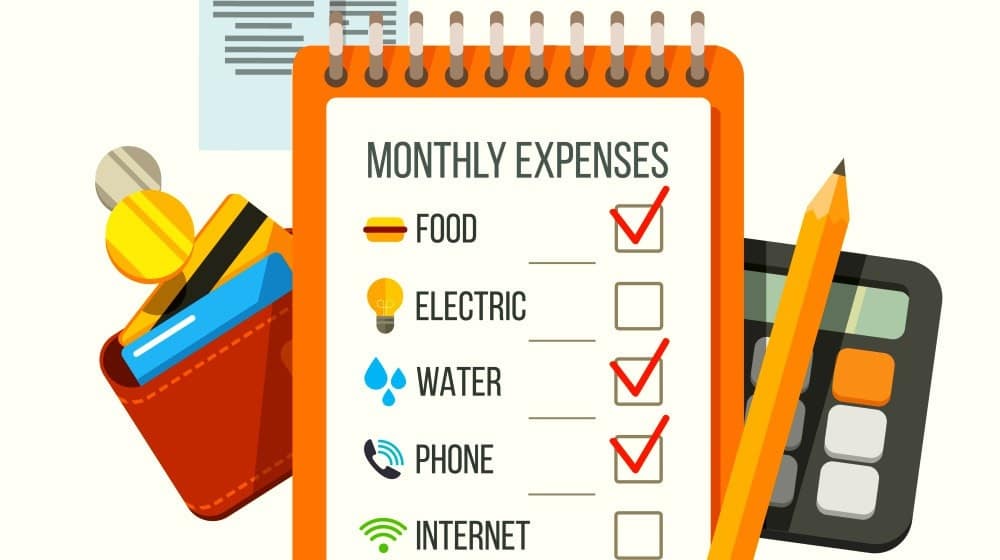
Imagine writing down every expense for one month. Rent or mortgage payments, electricity, water, internet, groceries, transportation, insurance, school fees, and healthcare costs are usually among the first items that appear. These are often considered essential expenses because they are necessary for daily living.
Next come flexible expenses. These include eating at restaurants, entertainment, shopping, hobbies, gifts, and travel. Unlike essential bills, these costs can often be adjusted depending on your financial situation.
Seeing every expense written down can be surprising. Many people discover they are spending more than expected in certain areas without realizing it. This awareness is one of the greatest benefits of budgeting because it helps identify opportunities to save without making dramatic lifestyle changes.
It is also important to include savings as part of the budget rather than waiting to see what remains at the end of the month. Even setting aside a small amount regularly helps build financial security over time. Treating savings like another monthly bill makes it much more likely to become a consistent habit.
Unexpected expenses should also be considered. Car repairs, medical bills, home maintenance, or emergency travel can happen at any time. Building an emergency fund gradually helps reduce financial stress when these situations arise.
A budget is not about recording every small detail forever. It is about understanding spending patterns so that future financial decisions become more informed and intentional.
Building a Budget That Fits Your Lifestyle
Every person’s financial situation is different, so there is no single budget that works for everyone. A university student, a young professional, a family with children, and a retiree all have different priorities and responsibilities.
Imagine someone who has just started their first job. Their budget may focus on paying rent, buying groceries, covering transportation costs, and building an emergency fund. Another person who already owns a home may concentrate on mortgage payments, children’s education, and retirement savings.
The key is creating a budget that reflects your own life rather than copying someone else’s.
One helpful approach is dividing expenses into clear categories. Essential costs such as housing, food, utilities, transportation, and healthcare come first because they support everyday living. After these are covered, money can be allocated to savings, debt repayment, and personal spending.
Entertainment and hobbies also deserve a place in the budget. Many people believe budgeting means eliminating all enjoyable activities, but this is not true. A realistic budget includes money for recreation because completely removing enjoyable experiences often makes budgeting difficult to maintain.
Flexibility is another important part of successful budgeting. Some months include birthdays, holidays, or special events that require additional spending. Rather than viewing these expenses as failures, adjusting the budget to accommodate them helps keep financial planning realistic.
Technology has made budgeting easier than ever before. Mobile apps, online banking tools, and simple spreadsheets can automatically track spending and organize expenses into categories. Many people find these tools helpful because they provide a clear picture of financial habits throughout the month.
Reviewing the budget regularly is equally important. Spending patterns change over time, and a budget should change with them. A salary increase, a new job, moving to a different city, or changes in family responsibilities may all require adjustments.
The purpose of budgeting is not to create restrictions but to build confidence. When you know your financial situation clearly, making decisions becomes much easier.
Building Healthy Financial Habits for the Future
A monthly budget is much more than a list of numbers. It is a habit that encourages thoughtful decision-making and supports long-term financial well-being.
One of the greatest advantages of budgeting is reduced stress. Unexpected bills become easier to manage when money has already been set aside for emergencies. Instead of worrying about every expense, people feel more prepared because they have a financial plan.
Budgeting also helps people achieve meaningful goals. Saving for higher education, buying a car, taking a family vacation, starting a business, or preparing for retirement all become more achievable when regular savings are included in the monthly plan.
Patience plays an important role. Financial progress usually happens gradually rather than overnight. Small improvements made consistently often produce better results than dramatic changes that are difficult to maintain.
Good budgeting also encourages thoughtful spending. Before making a purchase, many people naturally begin asking whether the item is necessary or whether the money would be better used for something more important. These simple questions often lead to wiser financial decisions.
Mistakes are part of the learning process. Some months expenses may be higher than expected, or unexpected emergencies may affect the budget. This does not mean budgeting has failed. Instead, each month provides new information that helps improve future planning.
Discussing the budget openly with family members can also strengthen financial habits. When everyone understands shared financial goals, making spending decisions together becomes easier and misunderstandings become less common.
As income grows over the years, budgeting remains valuable. Earning more money does not automatically create financial security. People who continue planning their finances carefully often feel more confident regardless of their income level.
The greatest benefit of budgeting is not simply saving money. It is gaining control over your financial future. Instead of reacting to every expense, you begin making decisions that support the life you want to build.
Creating your first monthly budget may feel unfamiliar at first, but it is one of the most valuable financial skills anyone can develop. It provides clarity, reduces uncertainty, and helps turn long-term dreams into realistic goals through consistent planning.
In the end, a budget is not about limiting your life. It is about giving every dollar a purpose so that your money works for you instead of disappearing without explanation. With patience, regular review, and small adjustments along the way, a simple monthly budget can become the foundation for greater financial confidence, security, and peace of mind for many years to come.