Moving From Heavy Equipment to Flexible Digital Tools
Not long ago, running a small business often meant filling an office with expensive computers, large servers, and complicated networking equipment. Business owners had to spend a lot of money before they could even begin serving customers. They needed space for hardware, experts to maintain the systems, and regular upgrades to keep everything working. If a computer failed or a server stopped working, business operations could slow down or even come to a complete stop.
For many small businesses, this was a major challenge. Large companies could afford dedicated IT teams and costly equipment, but smaller businesses often had limited budgets. Every technology decision required careful planning because mistakes could be expensive.
Then cloud computing started changing the way businesses used technology.
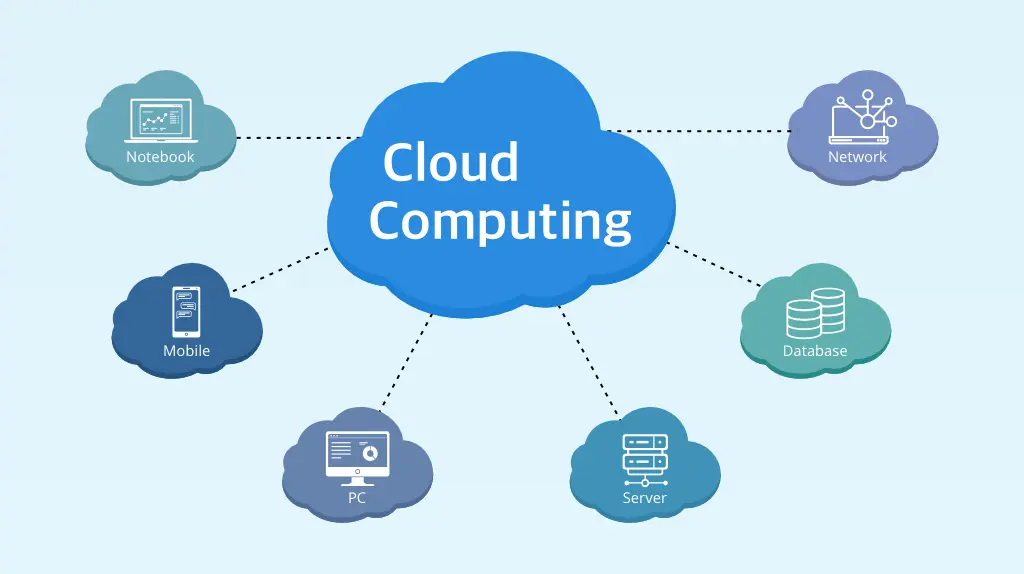
Instead of buying and maintaining everything themselves, businesses could access computing power, storage, and software through the internet. They no longer needed to own every piece of equipment. Instead, they paid only for the services they actually used. This simple idea made advanced technology available to companies of every size.
Think about a small bakery that wants to manage customer orders online. Years ago, the owner might have needed to purchase expensive software, install it on office computers, and hire someone to maintain the system. Today, the bakery can simply sign up for an online service, create an account, and begin managing orders within a few hours.
The same change has happened in thousands of industries. A local clothing store can manage inventory online. A freelance designer can save projects in cloud storage. A consulting company can organize client information without maintaining its own servers. Even a family-owned restaurant can use cloud-based software to handle reservations, online orders, and payments.
Cloud computing has removed many of the barriers that once prevented small businesses from using modern technology. Instead of focusing on managing computers, business owners can spend more time serving customers, improving products, and growing their companies.
Perhaps the biggest advantage is flexibility. A business can start small, using only the services it needs today. As the company grows, it can easily add more storage, more users, or more computing power without replacing its entire technology system. This allows businesses to grow at their own pace instead of making large investments before they are ready.
Helping Teams Work Together From Anywhere
The modern workplace looks very different from the offices of the past. Many employees now work from home, travel frequently, or collaborate with people living in different cities and countries. Cloud computing has made this new way of working possible for millions of businesses around the world.
Imagine a small marketing agency with employees working from different locations. One designer lives in Canada, a writer works from India, and the business owner travels to meet clients across Europe. Years ago, keeping everyone connected would have been difficult. Files would have been shared through email, different versions of documents would create confusion, and communication would often be delayed.
With cloud computing, everyone can work on the same project at the same time.
Documents are stored online, making them available whenever they are needed. Team members can edit reports together, leave comments, and immediately see updates made by others. Video meetings allow face-to-face discussions without requiring travel. Shared calendars help everyone stay organized, while cloud-based messaging platforms make communication faster and more efficient.
This has created new opportunities for small businesses. Instead of hiring only people who live nearby, companies can recruit talented professionals from almost anywhere. A small startup can build an international team without opening offices in multiple countries.
Cloud computing also makes customer service easier. Sales teams can access customer information while visiting clients. Support staff can answer questions from home. Business owners can monitor sales, inventory, or financial reports using a smartphone while traveling.
Even unexpected events become easier to manage. Bad weather, transportation problems, or temporary office closures no longer have to stop business operations. Employees can continue working as long as they have an internet connection.
This flexibility has become especially valuable because customer expectations continue to grow. People expect businesses to respond quickly, update information instantly, and provide reliable service throughout the day. Cloud-based systems help even small companies meet these expectations without needing enormous technical resources.
The ability to work from anywhere has also improved work-life balance for many people. Employees can spend less time commuting and more time focusing on meaningful work. Businesses benefit from higher productivity, while workers often enjoy greater flexibility in managing their daily schedules.
Saving Money While Opening New Opportunities
Every small business owner understands the importance of managing expenses carefully. Money saved on unnecessary costs can be invested in better products, improved customer service, employee training, or business growth. Cloud computing helps businesses achieve this by reducing many traditional technology expenses.
Instead of purchasing expensive software licenses for every computer, businesses can subscribe to cloud-based applications. Monthly or yearly subscription plans are often more affordable than making large one-time purchases. This makes budgeting easier because technology costs become more predictable.
Maintenance costs are also lower. Cloud service providers handle many technical responsibilities such as software updates, security improvements, and system maintenance. Business owners do not need to spend as much time worrying about installing updates or replacing aging hardware.
Data storage has become much simpler as well. Important files can be stored securely online instead of relying only on office computers or external hard drives. If a computer breaks or is stolen, valuable business information is usually still available through the cloud.
Automatic backups provide another important advantage. In the past, losing customer records, financial information, or important documents could seriously damage a business. Cloud services regularly save data, helping reduce the risk of permanent loss caused by hardware failures or accidental mistakes.
Cloud computing also gives small businesses access to powerful tools that were once available only to large corporations. Customer relationship management systems help organize client information. Online accounting software simplifies financial management. Artificial intelligence tools assist with customer support, writing, data analysis, and marketing. Business analytics platforms help owners understand customer behavior and improve decision-making.
These technologies allow smaller companies to compete more effectively. A local business can provide professional services that once required large budgets and dedicated IT departments.
Innovation also becomes easier. Because businesses can quickly test new software without major investments, they are more willing to experiment with new ideas. If one solution does not meet their needs, they can often switch to another service without replacing their entire technology infrastructure.
This encourages continuous improvement. Businesses can adapt to changing customer demands much faster than before, helping them remain competitive in rapidly changing markets.
Building a Stronger Future Through Smart Technology
As cloud computing continues to evolve, small businesses are discovering that technology is no longer just a support tool. It has become an important part of business strategy, helping companies become more efficient, responsive, and competitive.
Security remains an important consideration. Although cloud providers invest heavily in protecting their systems, business owners still have responsibilities. Using strong passwords, enabling two-factor authentication, training employees to recognize online threats, and controlling access to sensitive information all help protect valuable business data.
Choosing the right cloud services also requires careful planning. Every business has different needs. A small online store may focus on inventory management and secure payment processing, while a consulting firm may prioritize document sharing and video meetings. Understanding these needs helps businesses choose solutions that provide real value instead of unnecessary features.
As artificial intelligence becomes more closely connected with cloud computing, even greater opportunities are appearing. AI-powered tools can analyze customer feedback, automate repetitive tasks, improve marketing campaigns, predict sales trends, and assist with business planning. Because these services are delivered through the cloud, even the smallest companies can benefit without purchasing expensive hardware.
Customers also benefit from this transformation. They experience faster service, more accurate information, smoother online shopping, quicker support responses, and improved communication. Businesses that use cloud technology effectively often create better experiences that encourage customer loyalty.
Environmental sustainability is another growing advantage. Large cloud providers operate highly efficient data centers that often use energy more effectively than thousands of small businesses running their own servers. While cloud computing is not without environmental impact, shared infrastructure can reduce unnecessary energy consumption and hardware waste.
The future will likely bring even deeper integration between cloud computing, artificial intelligence, automation, and connected devices. Business owners may manage entire operations from a single dashboard, receive intelligent recommendations for improving performance, and respond to customer needs more quickly than ever before.
The true power of cloud computing is not simply that information is stored on distant servers. Its greatest strength is giving small businesses access to technology that was once beyond their reach. It allows entrepreneurs to focus less on maintaining equipment and more on building relationships, creating better products, and serving customers with confidence.
For millions of small businesses around the world, cloud computing is no longer just a modern technology trend. It has become a practical partner that supports daily operations, encourages innovation, and helps companies compete in an increasingly digital world. As more businesses embrace these tools thoughtfully and responsibly, cloud computing will continue shaping the future of entrepreneurship, making it possible for even the smallest ideas to grow into successful businesses.