Small Choices That Shape a Healthier Life
Many people decide to eat healthier at least once in their lives. Some make the decision after a medical checkup, while others are motivated by a desire to lose weight, feel more energetic, or simply take better care of themselves. They begin with excitement, fill their kitchens with healthy foods, and promise to avoid unhealthy meals forever.
For a few days or even a few weeks, everything goes well. Then a busy schedule, a family celebration, a vacation, or a stressful day interrupts the routine. One unhealthy meal turns into several, and before long, the old eating habits return. Many people believe they have failed, but the real problem is often not a lack of determination. It is trying to change everything at once.
Healthy eating is not about following strict rules for a short time. It is about building habits that fit naturally into everyday life. Habits grow slowly, just like a tree. They need time, patience, and regular care before they become strong.
Imagine two people who want to improve their diets. The first person suddenly removes every favorite food, follows a very strict meal plan, and expects perfect results. The second person starts by drinking more water, adding one serving of vegetables to dinner, and replacing sugary snacks with fruit a few days each week. After several months, the second person is more likely to continue because the changes feel realistic and easy to maintain.
This simple example shows an important lesson. Lasting success usually comes from small improvements repeated consistently rather than dramatic changes that are difficult to follow.
Healthy eating also looks different for different people. A young athlete, a busy office worker, a growing child, and an older adult all have different nutritional needs. There is no single meal plan that works perfectly for everyone. Instead, healthy eating is about choosing balanced foods that support your own lifestyle and health goals.
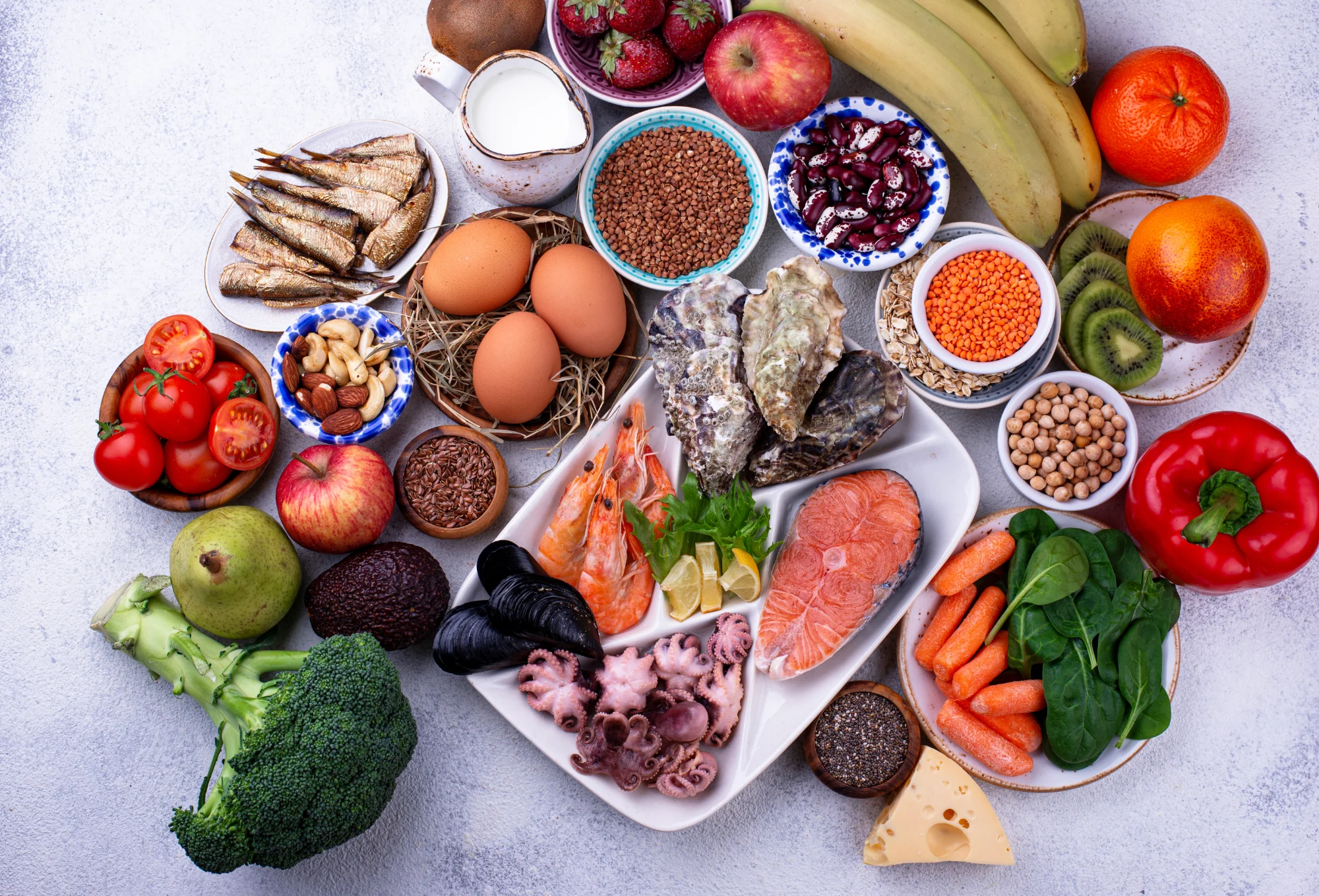
Another common misunderstanding is that healthy food must be expensive or complicated. In reality, many nutritious foods such as fruits, vegetables, whole grains, beans, eggs, yogurt, and fresh seasonal produce are simple, affordable, and available in many parts of the world.
The goal is not to eat perfectly every day. It is to make healthy choices more often than unhealthy ones and allow those choices to become part of daily life.
Learning to Enjoy Balanced Meals
Healthy eating becomes much easier when people stop thinking about food as either “good” or “bad.” Most foods can have a place in a balanced diet. What matters most is the overall pattern of eating rather than a single meal or occasional treat.
A balanced meal usually contains a variety of foods that provide different nutrients. Vegetables and fruits supply vitamins, minerals, and fiber. Whole grains provide lasting energy. Foods rich in protein help build and repair muscles, while healthy fats support the brain and many other body functions.
Imagine preparing lunch. Instead of eating only processed snacks, you choose a plate with grilled chicken or beans, brown rice or whole-grain bread, colorful vegetables, and a piece of fruit for dessert. The meal is satisfying because it provides a combination of nutrients that keep you feeling full for longer.
Eating slowly also plays an important role. Many people rush through meals while working, watching television, or using their phones. They finish eating before their bodies have enough time to recognize that they are full. Slowing down allows people to enjoy flavors, notice hunger signals, and avoid overeating.
Planning meals ahead of time can make healthy choices much easier. When healthy ingredients are already available at home, there is less temptation to order fast food or rely on highly processed meals after a busy day. Even simple planning for a few days at a time can reduce stress and save money.
Healthy snacks can also help maintain energy between meals. Fresh fruit, yogurt, nuts, seeds, or cut vegetables are often better choices than snacks high in added sugar or unhealthy fats. Having nutritious options nearby makes it easier to avoid unhealthy impulse decisions.
Drinking enough water is another habit that is often overlooked. Sometimes people mistake thirst for hunger and eat when their bodies actually need fluids. Keeping a water bottle nearby throughout the day is a simple reminder to stay hydrated.
There is also room for favorite treats. Completely avoiding foods you enjoy often makes them even more tempting. Instead of feeling guilty about an occasional dessert or special meal, it is healthier to enjoy these moments in moderation while maintaining balanced eating habits most of the time.
Food should provide nourishment, but it should also be enjoyable. Sharing meals with family and friends, trying new recipes, and appreciating different cultures through food all contribute to a positive relationship with eating.
Overcoming Everyday Challenges Without Giving Up
Building healthy eating habits is rarely a straight path. Every person faces challenges that can make healthy choices more difficult. Busy work schedules, family responsibilities, travel, celebrations, emotional stress, and limited time for cooking can all affect eating habits.
Imagine someone who finishes work late in the evening. They are tired, hungry, and have little energy to prepare a meal. Fast food seems like the easiest option. If this happens occasionally, it is not a problem. However, if it becomes a daily habit, it may slowly affect long-term health.
Preparing simple meals in advance can help solve this challenge. Cooking extra portions during the weekend or preparing ingredients ahead of time makes healthy meals much quicker to assemble on busy days.
Emotional eating is another common experience. Some people eat not because they are hungry but because they feel stressed, bored, lonely, or anxious. Food may provide temporary comfort, but it usually does not solve the underlying problem.
Learning to recognize emotional hunger is an important step. Instead of immediately reaching for food, some people find it helpful to take a short walk, call a friend, read a book, listen to music, or simply take a few quiet moments to relax. Finding other ways to manage emotions supports healthier long-term habits.
Restaurants and social gatherings can also present challenges. Large portions, rich desserts, and unlimited drinks often encourage overeating. This does not mean people should avoid celebrations. Instead, they can enjoy special occasions while making thoughtful choices, such as eating slowly, choosing balanced portions, and stopping when comfortably full.
Children also learn eating habits by watching adults. Families that prepare meals together, eat at the table, and include a variety of nutritious foods often help children develop healthy relationships with food from an early age. These habits can continue throughout life.
Another helpful strategy is focusing on progress instead of perfection. Missing one healthy meal or enjoying an occasional celebration does not erase weeks of good habits. Many people give up because they believe one mistake means they have failed. In reality, lasting change comes from returning to healthy routines after temporary setbacks.
Every healthy meal is another opportunity to support your body, regardless of what happened yesterday.
Creating Habits That Last for Years
The strongest eating habits are the ones that become part of everyday life without requiring constant effort. They develop gradually through repetition until healthy choices begin to feel natural.
Consistency is far more important than perfection. Eating balanced meals most days of the week provides greater long-term benefits than following an extremely strict diet for only a short period. Small improvements repeated over months and years create lasting results.
Technology can also support healthy habits. Meal-planning apps, grocery shopping lists, nutrition trackers, and healthy recipe websites make it easier to stay organized. However, these tools should support healthy living rather than create unnecessary pressure. The goal is to build awareness, not to become obsessed with counting every calorie or measuring every bite.
As people grow older, their nutritional needs may change. Children require nutrients that support growth, adults need energy for work and family life, and older adults often benefit from foods that help maintain muscle strength and bone health. Being flexible and adjusting eating habits as life changes is an important part of long-term success.
Healthy eating also works best when combined with other positive lifestyle habits. Regular physical activity, quality sleep, stress management, and staying hydrated all support better nutrition. These healthy behaviors strengthen one another, creating a balanced approach to overall well-being.
It is equally important to enjoy food without guilt. Meals are not only about nutrients. They are opportunities to celebrate traditions, connect with loved ones, explore different cultures, and create happy memories. A healthy lifestyle leaves room for both nourishment and enjoyment.
Building healthy eating habits does not require expensive foods, complicated diets, or perfect discipline. It begins with simple daily choices made consistently over time. Choosing more fresh foods, drinking enough water, eating balanced meals, and paying attention to hunger signals are small actions that gradually become lasting habits.
Every healthy choice is an investment in the future. Over months and years, these choices can improve energy levels, support a healthy weight, strengthen the body, reduce the risk of many long-term health problems, and improve overall quality of life. The journey may not always be perfect, but every nutritious meal is another step toward a healthier, happier life that can be enjoyed for many years to come.