Why Sleep Is More Than Just Rest
Many people think of sleep as simply the time when the body shuts down after a busy day. They believe that as long as they spend enough hours in bed, they have done everything needed to stay healthy. But sleep is much more than resting with your eyes closed. It is one of the most important activities your body performs every single day.
Imagine two friends who both sleep for eight hours every night. One sleeps peacefully without many interruptions and wakes up feeling refreshed. The other spends the night waking up several times, checking their phone, or struggling to fall back asleep. Although both spent the same amount of time in bed, they may feel completely different the next morning.
This is the difference between simply sleeping and getting quality sleep.
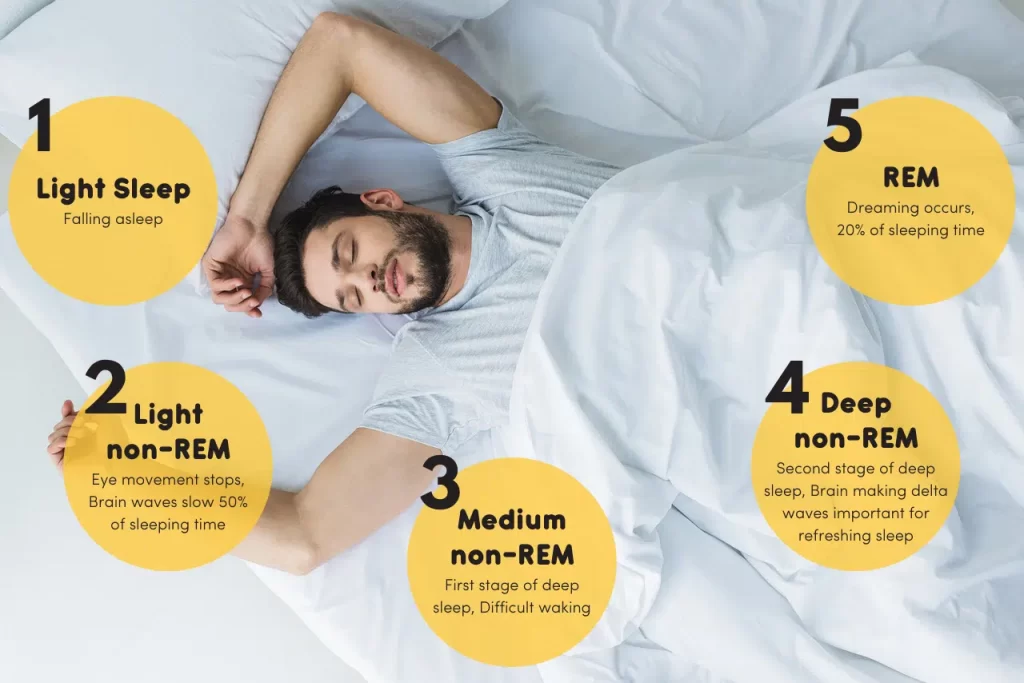
Quality sleep allows the body and mind to recover properly. During sleep, the brain organizes memories, the body repairs damaged tissues, hormones are balanced, and the immune system prepares to protect against illness. Even though we are not aware of these activities, they are happening every night.
Many people do not notice how important sleep is until they stop getting enough of it. After one poor night’s sleep, they may feel tired, lose focus, become impatient, or find it difficult to remember simple things. If poor sleep continues for weeks or months, these small problems can gradually affect work, relationships, health, and overall happiness.
Modern life has made quality sleep more difficult than ever. Smartphones, computers, late-night television, shift work, busy schedules, and constant stress often keep people awake longer than they should. Many individuals sacrifice sleep to finish work, study for exams, or spend more time online, believing they can catch up later.
Unfortunately, sleep does not always work that way. The body needs regular, consistent rest to function at its best. Missing sleep repeatedly can affect both physical and mental health in ways that may not become obvious immediately.
The good news is that quality sleep is not something only a few people can enjoy. With healthy daily habits and a consistent routine, most people can improve the way they sleep and experience the many benefits that come with it.
How Good Sleep Helps the Body Stay Strong
Every night, while you are asleep, your body stays remarkably busy. Although your muscles relax and your eyes remain closed, countless important processes continue working to keep you healthy.
One of the biggest benefits of quality sleep is physical recovery. Throughout the day, the body experiences small amounts of wear and tear from walking, working, exercising, and even normal movement. During sleep, damaged cells are repaired, muscles recover, and energy stores are restored so the body is ready for another day.
The immune system also becomes more active during sleep. It produces important substances that help fight infections and protect the body from harmful viruses and bacteria. People who regularly get enough quality sleep often find it easier to recover from common illnesses than those who are constantly sleep deprived.
Heart health is another area closely connected with sleep. While sleeping, the heart and blood vessels have an opportunity to rest and recover from the demands of the day. Maintaining healthy sleep habits may help support normal blood pressure and overall cardiovascular health.
Sleep also plays an important role in maintaining a healthy body weight. When people do not sleep well, the hormones that control hunger and fullness can become unbalanced. As a result, they may feel hungrier than usual, crave sugary or high-calorie foods, and eat more than their bodies actually need. Over time, this pattern can make maintaining a healthy weight more difficult.
Physical performance is closely linked to sleep as well. Athletes often consider sleep to be just as important as training because it supports muscle recovery, reaction time, coordination, and endurance. However, these benefits are not limited to professional athletes. Everyday activities such as climbing stairs, carrying groceries, or playing with children also become easier when the body is properly rested.
Children and teenagers especially need quality sleep because their bodies and brains are still developing. During these years, sleep supports healthy growth, learning, emotional development, and physical recovery from active days.
Older adults also benefit from good sleep. Although sleep patterns naturally change with age, maintaining good sleep quality helps support memory, mobility, and overall well-being.
No matter a person’s age, quality sleep provides the body with valuable time to repair, strengthen, and prepare for the challenges of the next day.
Giving the Mind Time to Recover and Grow
While the body rests during sleep, the brain remains surprisingly active. It performs many important tasks that support learning, memory, emotional balance, and clear thinking.
Imagine spending an entire day learning new information at school or solving difficult problems at work. Your brain collects enormous amounts of information, but it does not fully organize everything immediately. During sleep, the brain sorts through these experiences, strengthens important memories, and removes unnecessary information. This process helps people remember what they have learned and recall it more easily later.
This is one reason students are often encouraged to get enough sleep before examinations. Staying awake all night to study may seem productive, but poor sleep can actually make it harder to concentrate and remember information the next day.
Quality sleep also improves attention and decision-making. After a restful night, people usually find it easier to solve problems, stay focused, and make thoughtful decisions. In contrast, lack of sleep often leads to careless mistakes, slower reactions, and reduced concentration.
Emotional health is deeply connected with sleep as well. Everyone experiences stress, disappointment, or frustration from time to time. A good night’s sleep helps the brain process emotions more effectively, making it easier to stay calm and respond thoughtfully to challenges.
Think about how people often say things look better after “sleeping on it.” There is some truth behind this idea. Problems that seem overwhelming at night may feel much more manageable after proper rest because the brain has had time to recover.
Creativity also benefits from quality sleep. Writers, artists, musicians, scientists, and business leaders often discover fresh ideas after a good night’s rest. A well-rested brain is better at connecting ideas and finding creative solutions to difficult problems.
Poor sleep can affect relationships too. People who are tired are often less patient, more easily irritated, and more likely to misunderstand others. Simple conversations may become arguments because exhaustion makes emotional control more difficult.
In today’s busy world, many people believe that sleeping less allows them to accomplish more. In reality, quality sleep often improves productivity because well-rested people usually work faster, think more clearly, and make fewer mistakes.
Giving the brain enough time to recover each night is one of the most effective ways to improve learning, creativity, emotional well-being, and daily performance.
Building Healthy Sleep Habits for Life
Improving sleep does not usually require expensive equipment or complicated routines. In many cases, small daily habits can make a meaningful difference over time.
One of the most helpful habits is maintaining a regular sleep schedule. Going to bed and waking up at approximately the same time every day helps the body’s internal clock develop a predictable rhythm. This makes falling asleep and waking up feel more natural.
Creating a peaceful bedtime routine also prepares the mind for sleep. Reading a book, listening to relaxing music, taking a warm shower, or practicing gentle breathing exercises can help signal that it is time to rest.
Many people benefit from reducing screen time before bed. Smartphones, tablets, computers, and televisions often keep the brain active when it should be slowing down. Bright screens may also interfere with the body’s natural sleep cycle, making it harder to fall asleep quickly.
The sleeping environment matters as well. A quiet, dark, comfortable room with a suitable temperature often supports better sleep. Comfortable pillows and a supportive mattress can also improve sleep quality over time.
Daily habits influence nighttime sleep more than many people realize. Regular physical activity, balanced meals, and limiting large amounts of caffeine late in the day can all contribute to better rest. Spending time outdoors during daylight hours also helps support the body’s natural sleep-wake cycle.
Stress management is equally important. Worrying about work, finances, or personal responsibilities can keep the mind active long after bedtime. Writing down tomorrow’s tasks, practicing relaxation techniques, or talking with someone you trust may help reduce nighttime anxiety.
Sometimes sleep problems continue despite healthy habits. Persistent difficulty falling asleep, loud snoring, frequent waking, or constant daytime tiredness may be signs that professional medical advice is needed. Seeking help early can improve both sleep and overall health.
Quality sleep is not a luxury that people enjoy only when life becomes less busy. It is a basic need that supports every part of physical and mental well-being. It gives the body time to heal, strengthens the immune system, sharpens the mind, balances emotions, and provides the energy needed to enjoy daily life.
Every good day begins with a good night’s sleep. By making rest a priority instead of an afterthought, people can improve their health, increase their productivity, strengthen their relationships, and face each new day with greater energy and confidence. Quality sleep is one of the simplest yet most powerful investments anyone can make for a healthier and happier future.