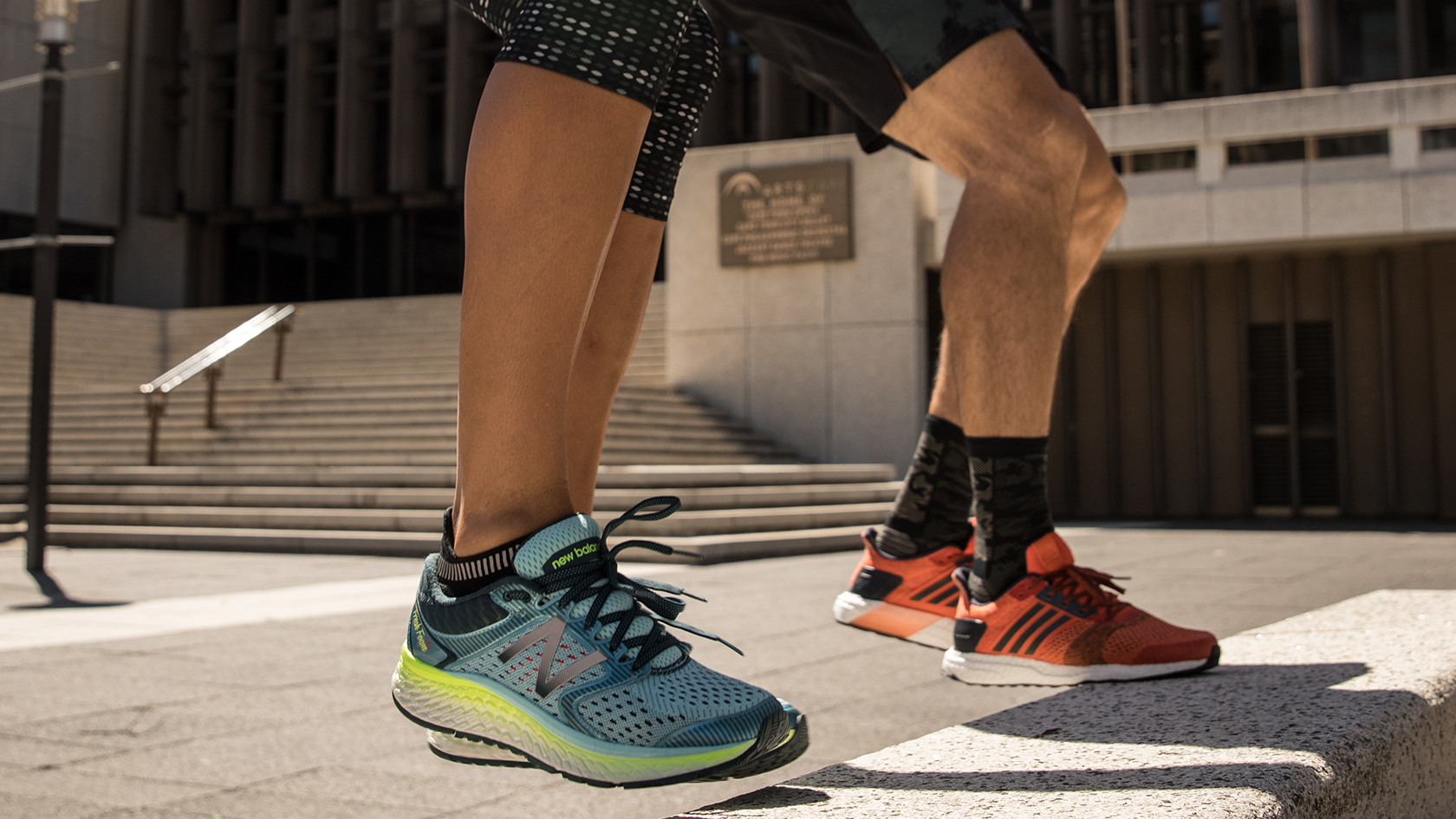
Finding the Perfect Pair Starts With Your Feet
Buying a new pair of running shoes may seem like a simple task. Many people walk into a store, choose the pair with the nicest design or the biggest discount, try them on for a few minutes, and head home feeling satisfied. A few days later, after several runs or long walks, they begin to notice sore feet, aching knees, or blisters that make every step uncomfortable.
The problem is usually not the quality of the shoes. It is that the shoes were not the right match for the person’s feet and running style.
Imagine two friends who decide to start running together. They buy the exact same pair of shoes because they like the look and the brand. After a month, one of them enjoys every run and feels comfortable, while the other struggles with foot pain and stops running altogether. Although they wore identical shoes, their feet had different needs.
This is why choosing running shoes is a personal decision rather than simply a fashion choice.
Every person’s feet are unique. Some have high arches, while others have flatter feet. Some runners naturally land on their heels, while others land closer to the middle or front of the foot. Body weight, running distance, and the surfaces people run on also influence which shoes feel most comfortable.
Running shoes do much more than protect the feet. They help absorb impact, provide stability, support natural movement, and reduce unnecessary stress on muscles and joints. A well-chosen pair can make running more enjoyable and encourage people to stay active for many years.
The good news is that finding the right shoes does not require being an expert. By understanding a few basic principles and paying attention to comfort instead of appearance alone, anyone can choose footwear that supports healthier and more enjoyable running.
Whether someone is preparing for their first short jog or training for long-distance races, the right shoes become one of the most important investments they can make for their health and comfort.
Understanding What Makes a Running Shoe Comfortable
One of the biggest mistakes people make is assuming that expensive running shoes are automatically the best choice. While high-quality shoes often provide excellent features, the most important factor is how well they fit the individual wearing them.
Comfort should always come first.
A running shoe should feel comfortable from the moment you try it on. Many people believe shoes need to be “broken in” before becoming comfortable, but this is rarely true for modern running footwear. If a shoe feels tight, rubs against the foot, or creates pressure points in the store, it is unlikely to become much more comfortable after several runs.
Proper sizing is equally important. Feet naturally expand during exercise, so running shoes should have a small amount of space between the longest toe and the front of the shoe. This extra room allows the feet to move naturally without the toes constantly hitting the front while running downhill or over long distances.
The width of the shoe also matters. Feet should feel secure without being squeezed. Shoes that are too narrow may cause blisters or numbness, while shoes that are too wide can allow excessive movement, increasing the risk of discomfort.
Cushioning is another important feature. Some runners prefer soft cushioning that absorbs more impact, especially during long runs on hard roads. Others prefer firmer shoes that provide a more direct feeling of the ground beneath their feet. Neither option is universally better because comfort depends on personal preference and running style.
Support is equally valuable. Some runners need additional stability because their feet roll inward more than usual while running. Others have a more neutral stride and feel comfortable in shoes with less structured support. Understanding your natural movement can help narrow the choices.
The material used in the upper part of the shoe influences comfort as well. Breathable fabrics allow air to circulate, helping keep feet cooler during warm weather or long runs. Flexible materials also adapt more naturally to the shape of the foot.
A good running shoe should almost disappear from your thoughts while running. Instead of noticing the shoes, you should be able to focus on enjoying the movement.
Matching Your Shoes to the Way You Run
Not every runner follows the same path. Some enjoy quiet morning jogs through city parks, while others train for marathons or explore mountain trails. Because running styles differ, the ideal shoe also changes depending on how and where it will be used.
Imagine someone who runs mainly on smooth roads and sidewalks. They usually benefit from road running shoes, which are designed to provide cushioning and flexibility on hard surfaces. These shoes help absorb repeated impact while allowing comfortable movement over long distances.
Now imagine another runner who prefers forest paths, rocky hills, and muddy trails. Road shoes may not provide enough grip for these conditions. Trail running shoes are built with stronger soles and deeper patterns that improve traction on uneven ground while offering additional protection against rocks and roots.
Distance also influences shoe selection. Someone who runs a few kilometers several times a week may have different comfort needs from someone preparing for a marathon. Longer distances often place greater demands on the feet, making cushioning and long-term comfort increasingly important.
Body weight can affect shoe choice as well. Heavier runners sometimes prefer shoes with additional cushioning because they experience greater impact with each step. Lighter runners may enjoy shoes that feel more responsive and flexible.
Many experienced runners eventually own more than one pair of shoes. One pair may be used for everyday training, while another lighter pair is reserved for faster runs or races. Beginners, however, usually need only one comfortable, versatile pair to start their running journey.
Trying on shoes later in the day can also be helpful because feet naturally become slightly larger after hours of walking and standing. Wearing the same type of socks used during running provides a more accurate fit.
Walking around the store is useful, but if possible, taking a few short jogging steps gives an even better idea of how the shoes will feel during actual movement.
Choosing shoes based on your own running habits rather than someone else’s recommendation often leads to the best long-term results.
Taking Care of Your Shoes and Your Feet
Finding the right running shoes is only the beginning. Proper care helps both the shoes and your feet remain in good condition over time.
Running shoes gradually lose their cushioning and support as they accumulate distance. Even if they still look new on the outside, the materials inside slowly wear down. Continuing to use worn-out shoes for too long may increase discomfort and place extra stress on the feet and joints.
Many runners keep track of how often they run so they know when it is time to replace their shoes. Paying attention to changes in comfort is just as important. If familiar routes suddenly begin causing foot pain or the shoes feel less supportive than before, they may be reaching the end of their useful life.
Allowing shoes to dry naturally after wet runs helps maintain their shape and materials. Placing them near direct heat sources such as heaters or radiators may damage certain materials over time. Removing the insoles occasionally and allowing air to circulate can also help keep shoes fresh.
Good socks deserve attention too. Moisture-wicking running socks help reduce friction, keeping feet drier and lowering the risk of blisters during longer runs. Comfortable socks work together with the shoes to create a better running experience.
Foot care is equally important. Keeping toenails trimmed, checking for blisters after longer runs, and paying attention to any persistent pain helps prevent small problems from becoming larger ones. Pain that continues despite proper shoes should not be ignored and may require advice from a healthcare professional.
Running is one of the most accessible forms of exercise. It strengthens the heart, improves endurance, supports mental well-being, and encourages an active lifestyle. The right pair of shoes allows people to enjoy these benefits with greater comfort and confidence.
The perfect running shoe is not necessarily the newest model, the most expensive brand, or the pair worn by professional athletes. It is the one that fits your feet well, supports your natural movement, and makes every run feel comfortable from beginning to end.
Choosing carefully, replacing shoes when needed, and listening to your body’s signals are simple habits that help runners stay active for many years. Every successful run begins with a single step, and that step is much more enjoyable when it is supported by the right pair of running shoes.