Creating a Home That Feels Calm and Comfortable
Most people have experienced the feeling of searching for something important and not being able to find it. A set of keys disappears just when it is time to leave the house. An important document is buried under a pile of papers. A favorite sweater seems to have vanished inside an overcrowded closet. Moments like these can turn an ordinary day into a stressful one.
A cluttered home does not necessarily mean someone is lazy or careless. Modern life is busy. Between work, school, family responsibilities, shopping, and daily routines, it is easy for things to accumulate without anyone noticing. A few unopened packages, clothes left on a chair, books on the coffee table, and toys on the floor slowly become part of everyday life.
Imagine visiting two different homes. The first has items scattered across every room, making it difficult to find anything. The second is not perfectly spotless, but everything has a place. Walking into the second home immediately feels more peaceful because the space is easier to use and easier to enjoy.
This is one of the greatest benefits of home organization.
An organized home is not about making every room look like a magazine photo. It is about creating a space that supports daily life instead of making everyday tasks more difficult. When everything has a designated place, cleaning becomes quicker, finding things becomes easier, and daily routines feel less stressful.
Many people believe organizing a home requires an entire weekend or a complete makeover. In reality, lasting organization often begins with small changes that are easy to maintain. A few minutes each day can gradually transform a home into a more comfortable and functional place.
Every family has different needs, so there is no single organizing method that works for everyone. A home with young children will naturally look different from an apartment occupied by one person. The goal is not perfection but creating a system that makes everyday life simpler.
When a home is organized, people often discover they spend less time searching for belongings and more time enjoying the space they live in.
Starting Small Instead of Doing Everything at Once
One of the biggest mistakes people make is trying to organize the entire house in one day. At first, this sounds like a good idea, but it often becomes overwhelming. After several hours of sorting through closets, drawers, and shelves, many people lose motivation before finishing the job.
A better approach is to start with one small area.
Imagine opening a single kitchen drawer that has become filled with old batteries, pens, receipts, rubber bands, and forgotten tools. Instead of worrying about the whole kitchen, spend a few minutes organizing just that one drawer. Throw away broken items, group similar things together, and return only what is useful. The task feels manageable, and the improvement is immediately visible.
The same idea works throughout the home. A bedside table, a bathroom cabinet, a bookshelf, or one shelf in the closet can each become a small project. Completing one area creates a sense of progress that encourages people to continue.
Decluttering is often the first step. Many homes contain items that are no longer needed, used, or loved. Clothes that no longer fit, duplicate kitchen tools, outdated electronics, broken decorations, or old magazines take up valuable space without adding value to daily life.
Before putting something away, it helps to ask a simple question: “Do I actually use this?” If the answer is no, it may be time to donate, recycle, or responsibly dispose of the item.
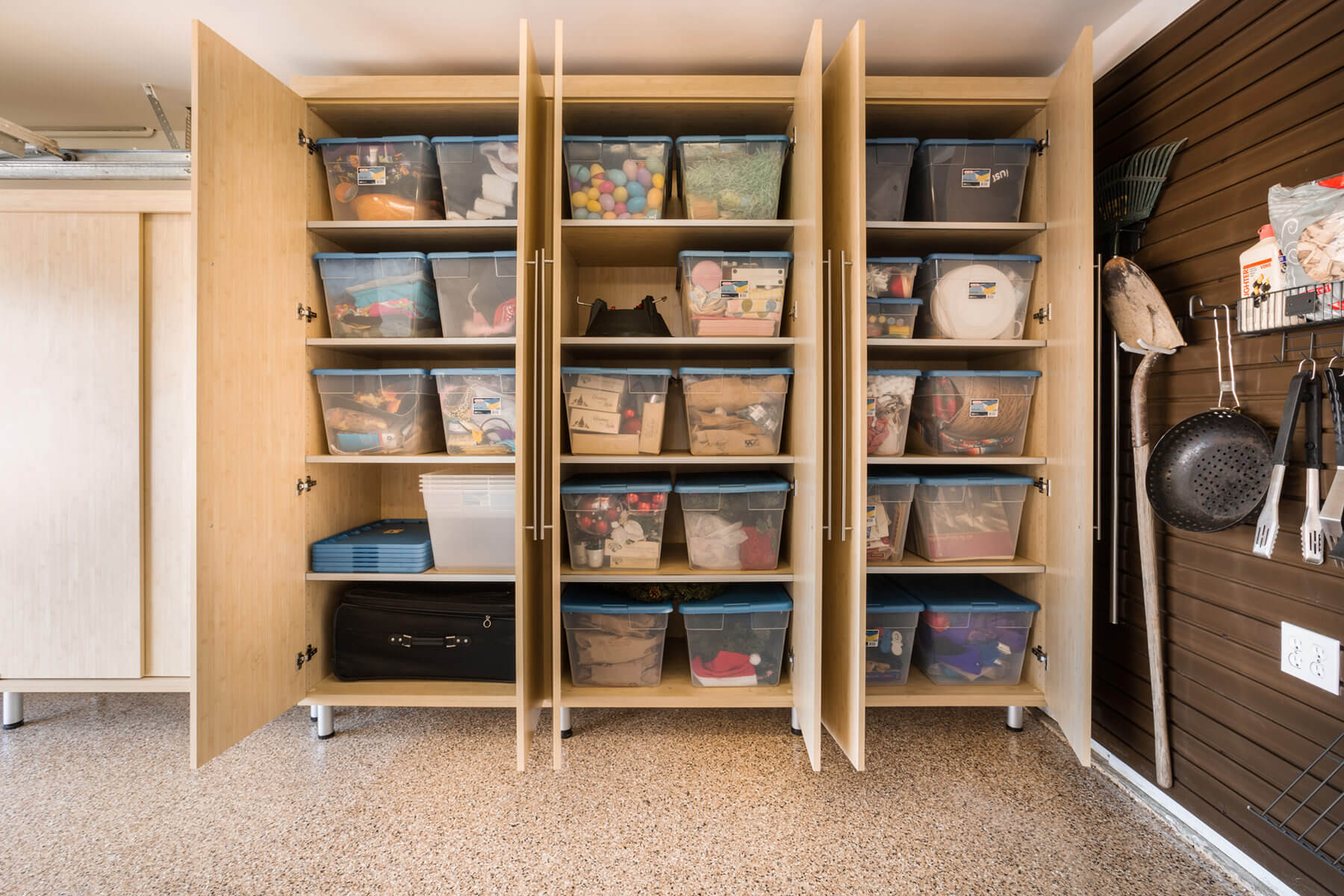
Storage containers can also make organization easier, but they should support organization rather than replace it. Buying more storage boxes without reducing clutter simply hides the problem. It is usually better to organize belongings first and then choose storage solutions that fit the remaining items.
Labels can also be helpful, especially for shared spaces. Clearly marked containers make it easier for everyone in the family to know where things belong and where to return them after use.
Small improvements completed consistently often produce better long-term results than one large organizing project that quickly becomes impossible to maintain.
Building Simple Habits That Keep Every Room Tidy
Organizing a home is only the beginning. Keeping it organized depends on the daily habits that follow.
Imagine coming home after work. Shoes are placed near the entrance, keys are returned to their usual spot, and the mail is sorted immediately instead of being left on the dining table. Each action takes only a few seconds, but together they prevent clutter from building up over time.
One of the most effective habits is giving every item a permanent home. When people know exactly where something belongs, putting it away becomes automatic. Without a designated place, belongings often end up on tables, chairs, countertops, or the floor.
The kitchen benefits greatly from simple routines. Washing dishes soon after meals, wiping countertops, and returning ingredients to the pantry help prevent small messes from becoming larger cleaning tasks later in the day.
Bedrooms become easier to manage when clothes are put away instead of being placed on chairs or the bed. Making the bed each morning also creates an immediate feeling of order and encourages the rest of the room to stay tidy.
Bathrooms remain more organized when frequently used items are stored together and empty bottles are removed regularly. Small baskets or drawer organizers make toiletries easier to find while reducing visual clutter.
Paper is another common source of disorder. Bills, receipts, school papers, and important documents can quickly pile up if they are not sorted regularly. Creating a simple filing system or using clearly labeled folders helps prevent important papers from getting lost.
Children can also learn organization through small daily routines. Putting toys away after playing, hanging up coats, and placing school bags in the same location each day teaches responsibility while making family life easier.
Technology can help as well. Digital calendars, shopping lists, reminder apps, and scanned copies of important documents reduce paper clutter and make everyday tasks more manageable.
The goal is not to spend hours cleaning every day. Instead, these small habits prevent clutter from growing until it becomes overwhelming.
Making Organization a Part of Everyday Life
A well-organized home is not created by buying expensive furniture or decorative storage boxes. It is built through thoughtful decisions and simple routines that make daily life easier.
As families grow and lifestyles change, organization systems may need to change too. A couple moving into a new home, parents with young children, or someone working from home will each have different storage needs. Reviewing the home every few months helps ensure that organizing systems continue to match everyday life.
Seasonal organization can also make a noticeable difference. Storing winter clothing during summer or rotating seasonal decorations creates extra space while making frequently used items easier to access.
Many people discover that owning fewer unnecessary possessions brings unexpected benefits. Cleaning takes less time, moving around the house feels easier, and maintaining tidy rooms becomes much more manageable. Rather than constantly organizing more belongings, people begin appreciating the items they truly use and enjoy.
An organized home can also reduce stress. Walking into a tidy room after a busy day often creates a feeling of calm and relaxation. Clear surfaces, organized shelves, and uncluttered spaces allow people to focus on spending time with family, enjoying hobbies, or simply resting.
Organization is also about making life more efficient. Knowing exactly where important documents, kitchen tools, cleaning supplies, or everyday essentials are located saves time and avoids unnecessary frustration. Small improvements in organization often lead to smoother daily routines.
It is important to remember that no home remains perfectly organized all the time. Life is busy, unexpected events happen, and temporary messes are completely normal. The goal is not perfection but creating systems that make it easy to restore order whenever needed.
Home organization is a journey rather than a one-time project. Each drawer organized, each shelf cleared, and each habit developed contributes to a more comfortable living space. Over weeks and months, these small efforts create a home that feels welcoming, functional, and easier to maintain.
In the end, organizing a home is about much more than neat shelves or tidy closets. It is about creating an environment that supports everyday life, reduces stress, and allows people to spend less time searching for things and more time enjoying the people and moments that matter most. A well-organized home becomes a place where comfort, simplicity, and peace naturally come together.