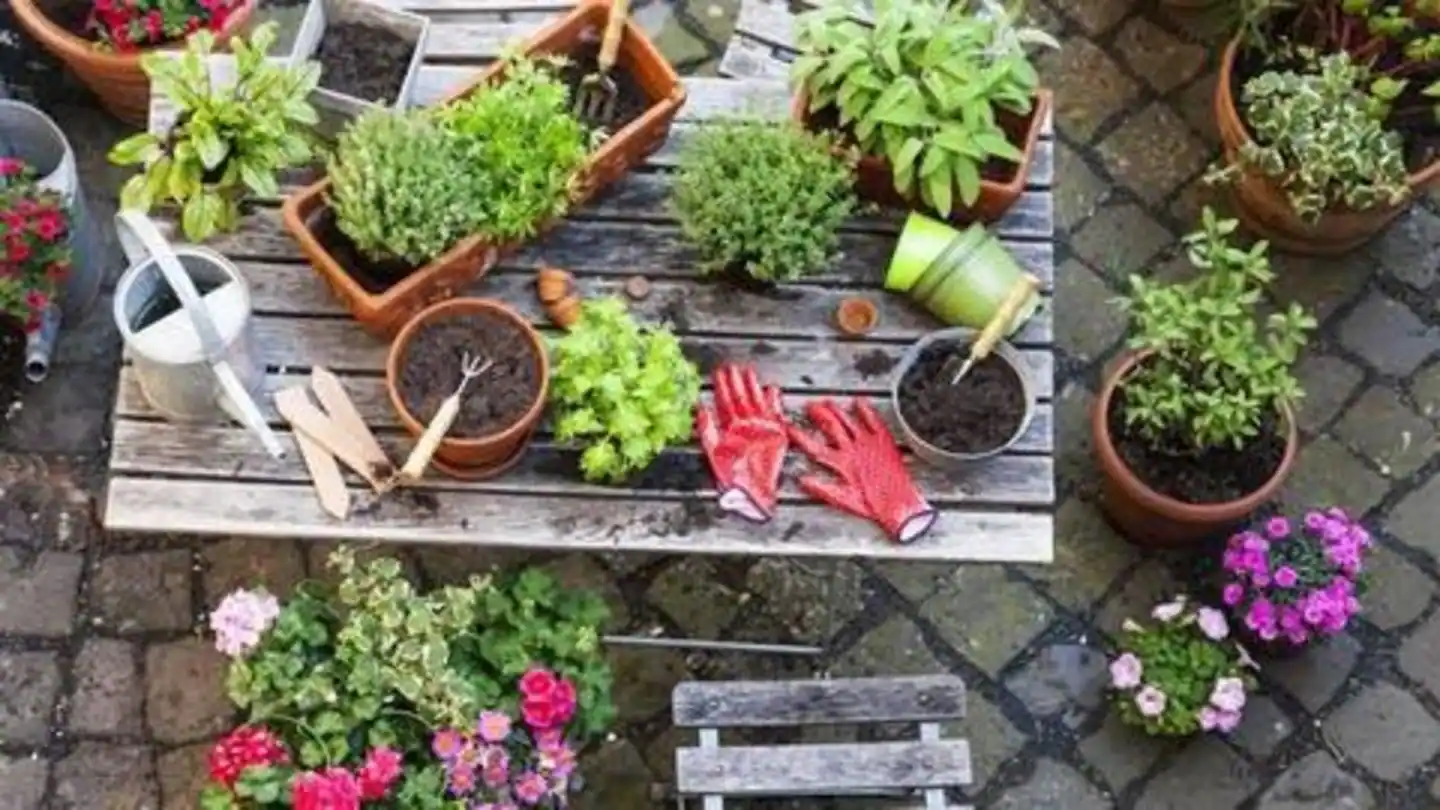
Discovering the Joy of Growing Your Own Plants
Many people dream of having a beautiful garden filled with colorful flowers, fresh vegetables, or healthy herbs. They imagine stepping outside to pick ripe tomatoes, smell blooming flowers, or enjoy the peaceful sight of green plants. However, many beginners never start because they believe gardening is difficult or requires a large yard and years of experience.
The truth is much simpler.
Home gardening can begin with a single plant. A small flowerpot on a balcony, a few herbs growing near a kitchen window, or a container placed outside the front door can become the beginning of a rewarding hobby. You do not need a large piece of land to experience the joy of growing something with your own hands.
Imagine two neighbors who decide to try gardening. One spends a lot of money buying dozens of plants, expensive tools, and decorative pots all at once. The other starts with a few easy-to-grow herbs and a flowering plant. After several months, the second neighbor feels more confident because the small garden has been easy to care for and has gradually grown over time.
This is one of the most important lessons for beginners. Successful gardens are usually built step by step rather than all at once.
Gardening is more than just growing plants. It teaches patience, observation, and appreciation for nature. Every seed planted is a reminder that good things often take time to grow. Watching the first leaves appear or seeing the first flower bloom brings a sense of achievement that is difficult to describe until it is experienced.
Many people also discover that gardening becomes a peaceful break from busy daily life. After spending hours working indoors or looking at computer screens, watering plants or checking on new growth provides a welcome opportunity to slow down and reconnect with nature.
Home gardening is suitable for people of every age. Children enjoy watching seeds grow into plants, adults often appreciate the fresh produce and relaxing routine, and older adults find gardening to be a satisfying hobby that keeps them active.
The journey begins with simple choices, regular care, and a willingness to learn from both successes and mistakes.
Choosing the Right Plants and Preparing Your Space
One of the biggest mistakes beginners make is choosing plants that are difficult to grow. While exotic flowers or unusual vegetables may look exciting, they often require special care that can be challenging for someone just starting.
A better approach is to begin with plants that are known for being easy to maintain. Herbs such as basil, mint, parsley, and rosemary are popular choices because they grow well in containers and can be used in everyday cooking. Many beginners also enjoy growing lettuce, spinach, radishes, or tomatoes because they are rewarding and relatively simple to care for in suitable conditions.
Flowering plants such as marigolds, sunflowers, and petunias are also excellent options because they add color to the garden while helping new gardeners gain confidence.
Before choosing plants, it is important to understand the available space. Some people have a large backyard, while others have only a balcony, rooftop, or sunny windowsill. Fortunately, almost every space can support some type of garden. Containers, raised beds, hanging baskets, and window boxes make gardening possible even in small homes or apartments.
Sunlight is another important factor. Most vegetables and flowering plants grow best with several hours of direct sunlight each day, while some leafy plants and indoor varieties prefer partial shade. Observing how much sunlight reaches different areas of the home helps determine the best location for each plant.
Healthy soil forms the foundation of every successful garden. Good-quality potting mix or garden soil provides nutrients, supports root growth, and allows water to drain properly. Poor soil can make even healthy plants struggle, so choosing the right growing medium is worth the effort.
Containers should also have drainage holes that allow excess water to escape. Without proper drainage, roots may remain too wet, increasing the risk of disease and poor growth.
Basic gardening tools do not need to be expensive. A watering can, a small hand shovel, gardening gloves, and pruning scissors are often enough for beginners. As experience grows, additional tools can be added if needed.
Starting with a manageable number of plants allows beginners to learn how each one grows without feeling overwhelmed.
Caring for Your Garden Every Day
Once plants begin growing, regular care becomes the key to keeping them healthy. Fortunately, daily gardening tasks are usually simple and enjoyable.
Watering is one of the most important responsibilities. Different plants require different amounts of water, but most grow best when the soil remains evenly moist without becoming waterlogged. Watering deeply and less frequently is often better than giving small amounts several times a day because it encourages stronger root growth.
Morning is usually one of the best times to water plants. Cooler temperatures allow moisture to reach the roots before much of it evaporates in the afternoon heat. Watering early also helps leaves dry more quickly, reducing the risk of certain plant diseases.
Plants also need nutrients to grow well. Healthy soil provides many of these nutrients, but over time additional fertilizer or compost may help support continued growth. Organic compost is especially popular because it improves soil quality while recycling natural materials such as vegetable scraps and garden waste.
Regular observation is one of the most valuable gardening skills. Spending a few minutes each day looking at the plants helps identify problems early. Yellow leaves, insect damage, or wilting often become much easier to manage when noticed quickly.
Weeds should also be removed before they become too large. They compete with garden plants for sunlight, water, and nutrients. Pulling small weeds regularly is much easier than waiting until they spread throughout the garden.
Pruning is another helpful practice. Removing dead flowers, damaged leaves, or weak branches encourages many plants to produce healthier new growth. It also helps the garden look neat and well cared for.
Gardening also teaches patience. Seeds do not become vegetables overnight, and flowers do not bloom immediately after planting. Growth happens gradually, often in ways that are easy to overlook until one day the garden looks completely different from when it began.
Each season brings new lessons. Some plants grow quickly, while others require months before producing flowers or fruit. Every success builds confidence, while every challenge provides valuable experience for future gardening.
Growing More Than Just Plants
Many people begin gardening because they want fresh vegetables or beautiful flowers. Over time, they often discover that the hobby offers much more than they expected.
Gardening encourages people to spend time outdoors, move their bodies, and enjoy fresh air. Digging, planting, watering, and caring for plants provide gentle physical activity that supports overall health without feeling like traditional exercise.
The mental benefits are equally valuable. Spending time in nature often helps reduce stress and creates a sense of calm after busy days. Many gardeners describe caring for plants as a peaceful routine that allows them to slow down and focus on the present moment.
Home-grown fruits, vegetables, and herbs also provide a special kind of satisfaction. A salad made with lettuce grown at home or a meal flavored with freshly picked basil often feels more rewarding because of the effort involved in growing the ingredients.
Gardening can also bring families together. Children enjoy planting seeds, watering flowers, and watching vegetables grow. These experiences teach responsibility, patience, and respect for nature while creating lasting memories.
As experience grows, many gardeners become interested in learning about composting, attracting butterflies and bees, growing native plants, or creating gardens that support local wildlife. A small garden can gradually become an important part of a healthier environment.
Not every plant will survive, and not every season will produce perfect results. Weather changes, insects appear, and mistakes happen to every gardener, even those with many years of experience. These challenges are simply part of the learning process.
The most successful gardeners are not those who never make mistakes. They are the ones who continue learning, experimenting, and enjoying the journey.
Home gardening is one of the few hobbies that rewards patience with visible results. Every new leaf, flower, and harvest reminds us that consistent care leads to growth. Whether growing a single herb on a windowsill or creating a large backyard garden, every gardener begins the same way—with one plant, one small step, and a willingness to learn.
In the end, home gardening is about much more than producing flowers or vegetables. It is about creating a connection with nature, finding joy in simple daily routines, and watching life grow through your own care and attention. A small garden has the power to brighten a home, improve well-being, and remind us that even the smallest seed can grow into something truly remarkable.