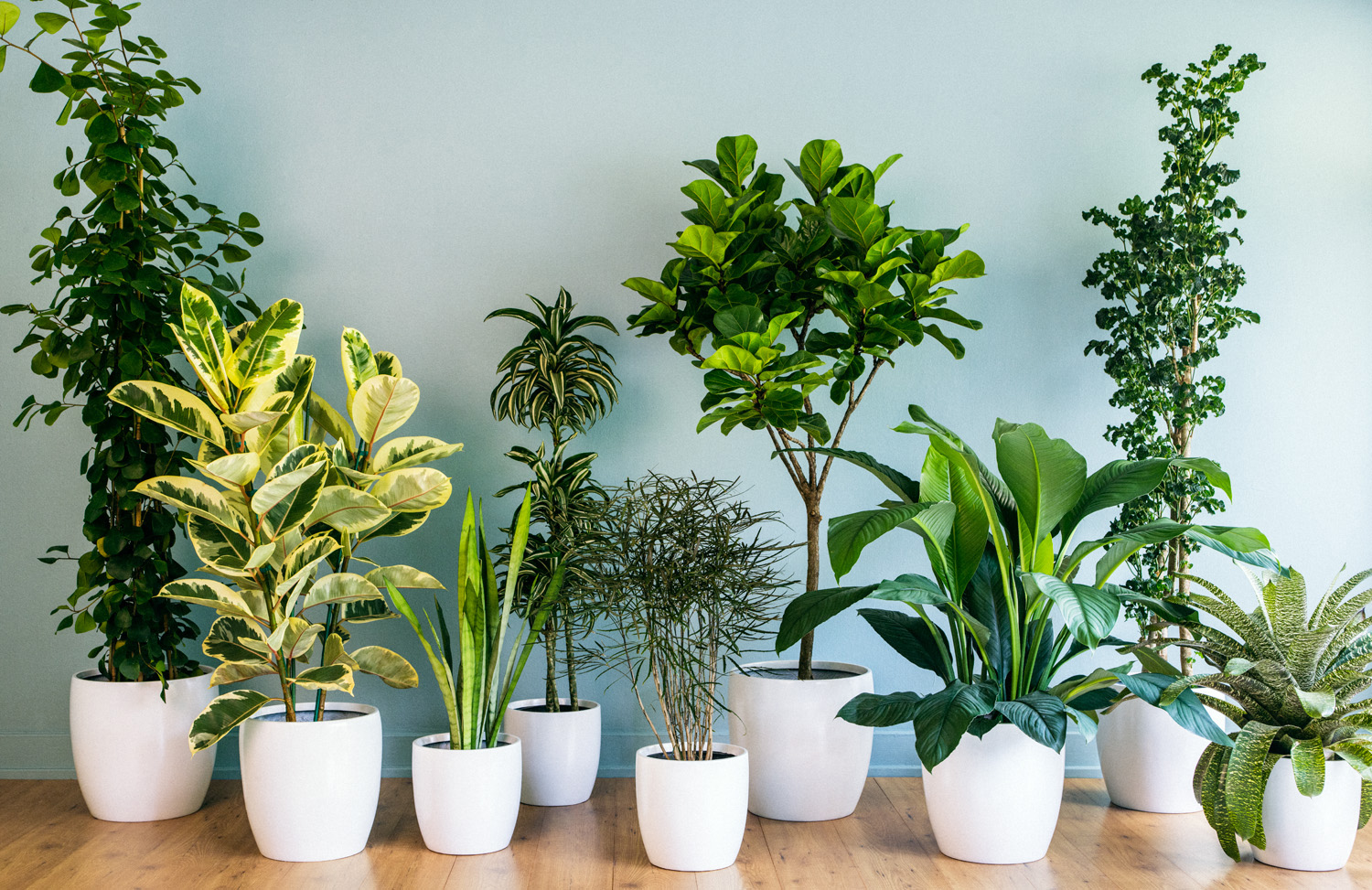
Bringing Nature Into Your Home
Imagine walking into a room filled with fresh green plants. Sunlight shines through the windows, leaves gently move with the breeze, and the space immediately feels calm and welcoming. Even before taking a seat, the room seems more peaceful than one filled only with furniture and electronic devices.
This is one of the reasons indoor plants have become so popular around the world.
People often buy indoor plants because they add beauty to a home, but they offer much more than decoration. Many plants help create a relaxing atmosphere, increase humidity, reduce stress, and make indoor spaces feel closer to nature. Some studies have also shown that certain houseplants can remove small amounts of indoor air pollutants under controlled laboratory conditions. While plants alone cannot replace proper ventilation or air purification, they can still contribute to a healthier and more pleasant living environment.
Modern life often keeps people indoors for many hours each day. Whether working from home, studying, or relaxing after a busy schedule, much of our time is spent inside houses, apartments, or offices. Because of this, creating a comfortable indoor environment has become increasingly important.
Imagine two apartments. One contains only plain walls and furniture, while the other includes several healthy green plants placed near windows and in different corners of the rooms. Although both apartments may be the same size, the second often feels warmer, more inviting, and more alive.
The wonderful thing about indoor gardening is that it does not require a large house or advanced gardening skills. Even a small apartment can support several beautiful plants with the right care. Many indoor plants are surprisingly easy to maintain, making them perfect for beginners who have never grown plants before.
Choosing suitable indoor plants depends on the amount of sunlight available, the temperature inside the home, and the amount of time someone can spend caring for them. Fortunately, many popular houseplants thrive with only basic attention and regular watering.
A few carefully chosen plants can transform ordinary indoor spaces into relaxing areas where people enjoy spending time every day.
Choosing Indoor Plants That Are Easy to Grow
One of the biggest concerns for beginners is choosing plants that are difficult to keep alive. Fortunately, many indoor plants are known for being strong, adaptable, and easy to care for.
The snake plant is often recommended as one of the best choices for beginners. Its tall, upright leaves add a modern appearance to any room, and it can tolerate occasional missed watering. It also grows well in different lighting conditions, making it suitable for many homes.
Another popular option is the pothos plant. Its long trailing vines and heart-shaped leaves make it attractive on shelves, hanging baskets, or tables. Pothos grows quickly and adapts well to indoor conditions, making it one of the easiest plants to maintain.
The peace lily is appreciated for both its glossy green leaves and elegant white flowers. It prefers indirect light and regular watering. While it has been studied for its ability to remove certain indoor pollutants in laboratory settings, its greatest benefit for most homes is the beauty and freshness it brings to indoor spaces.
Spider plants are another favorite among new gardeners. Their arching leaves and small baby plants make them interesting to grow, and they are known for being forgiving if care is not always perfect. They also adapt well to different indoor environments.
The rubber plant offers large, shiny leaves that create a bold appearance in living rooms or offices. With moderate watering and adequate indirect sunlight, it can grow into an impressive indoor feature over time.
For people who enjoy flowering plants, orchids and African violets add color while remaining suitable for indoor growing with proper care. Although they require a little more attention than some leafy plants, many gardeners find them rewarding once they understand their needs.
When choosing indoor plants, it is also important to consider pets and young children. Some houseplants may be harmful if eaten, so researching plant safety before bringing them home is always a wise decision.
Starting with two or three easy-care plants allows beginners to gain confidence before expanding their indoor garden.
Helping Your Plants Stay Healthy Throughout the Year
Indoor plants may appear simple to care for, but they still have basic needs that should be understood. Healthy plants reward regular attention with steady growth and vibrant green leaves.
Light is one of the most important factors. Different plants have different sunlight requirements. Some thrive near bright windows with indirect light, while others tolerate lower-light conditions. Observing how plants respond to their location helps determine whether they need more or less sunlight.
Watering is another area where beginners often make mistakes. Many people assume more water is always better, but overwatering is actually one of the most common reasons indoor plants struggle. The soil should usually be allowed to dry slightly between waterings for many plant species. Checking the soil with a finger before watering is often a simple way to avoid giving too much water.
Humidity also affects indoor plants. During winter or in homes with air conditioning, the air may become quite dry. Some tropical plants appreciate occasional misting or being placed near a tray of water that slowly evaporates.
Cleaning plant leaves is another helpful habit. Dust naturally collects on leaves over time, making it harder for plants to absorb light efficiently. Gently wiping leaves with a soft, damp cloth keeps them looking attractive while supporting healthy growth.
Plants also benefit from occasional feeding. Indoor plant fertilizers provide nutrients that may gradually become depleted from potting soil. Following the recommended instructions helps support healthy leaves, roots, and new growth without overfeeding.
Repotting becomes necessary as plants grow larger. When roots begin filling the container, moving the plant into a slightly larger pot gives it additional space to continue growing. Fresh potting mix also provides new nutrients and improves drainage.
Regular observation is one of the most valuable gardening habits. Yellow leaves, brown edges, or slow growth often provide early signs that a plant may need adjustments in watering, lighting, or nutrition. Paying attention to these small changes allows problems to be corrected before they become serious.
Indoor gardening is not about achieving perfection. Like all living things, plants sometimes experience challenges, but with patience and simple care, they often recover and continue growing.
Growing a Healthier and Happier Living Space
Indoor plants offer benefits that extend beyond their appearance. Many people find that simply caring for plants becomes a relaxing daily routine that helps reduce stress and improve their mood.
Imagine returning home after a busy day. Instead of entering a room filled only with furniture, you are welcomed by healthy green plants that have grown under your care. Watering them, noticing new leaves, or seeing a flower bloom creates small moments of satisfaction that brighten everyday life.
Plants also encourage people to slow down. In a world filled with constant notifications, busy schedules, and digital screens, caring for living plants provides an opportunity to reconnect with nature, even inside the home.
Many people who work from home enjoy placing plants near their desks because they make workspaces feel more pleasant and inviting. Students often find that a few plants create a calmer study environment, while families appreciate the warmth and beauty plants add to shared living spaces.
Indoor gardening can also become an educational activity for children. Watching seeds grow, learning about different plant species, and understanding how sunlight and water affect growth teaches valuable lessons about nature and responsibility.
As people become more experienced, they often expand their collections by adding flowering plants, succulents, ferns, or even small indoor herb gardens for cooking. Every new plant brings another opportunity to learn and enjoy the growing process.
It is important to remember that indoor plants should be viewed as one part of a healthy home. Good ventilation, regular cleaning, reducing indoor pollutants, and maintaining comfortable humidity all contribute to better indoor air quality. Plants complement these healthy habits rather than replace them.
Building an indoor garden does not require a large budget or extensive experience. A few carefully chosen plants placed in suitable locations can gradually transform any room into a more relaxing and attractive space.
In the end, indoor plants offer much more than green leaves and decorative beauty. They remind us of the natural world, encourage mindful daily routines, and help create homes that feel fresh, peaceful, and welcoming. Whether you begin with a single snake plant on a windowsill or gradually fill your home with a variety of greenery, every plant brings a little more life indoors, making your living space healthier, brighter, and more enjoyable every day.